
Introduction
What if you could help a driver avoid costly mistakes? This question captures the promise of telematics in fleet safety. Driver safety remains a top concern in logistics and transport; accidents are not only dangerous to people but also extremely costly in terms of vehicle damage, delivery disruptions, and insurance. Traditionally, safety training relied on manual reports or incident reviews conducted after problems occurred. A manager may discover a driver’s risky behavior only after a complaint is made or an accident investigation begins. By that time, the damage had already occurred.
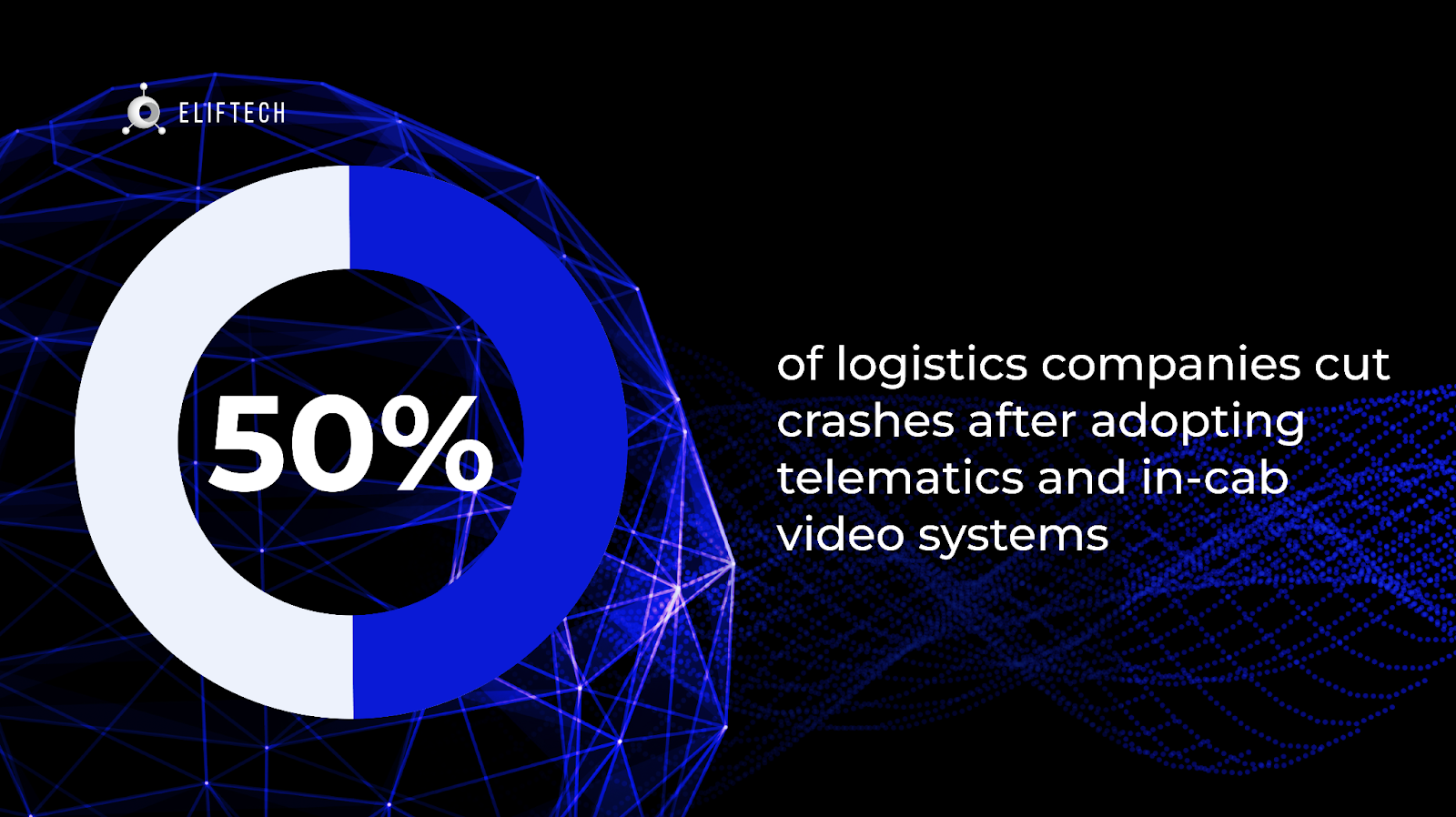
Telematics data is changing this dynamic by making safety training evidence-based and continuous. Telematics refers to the technology that combines GPS tracking, sensors, and onboard diagnostics to record how and where a vehicle is driven. Many fleets now equip trucks with telematics units that monitor speed, braking, acceleration, and more in real time. So, in fact, organizations using advanced telematics have reported major safety gains (one analysis found businesses cut crashes by around 50% after adopting telematics and in-cab video systems).
By turning driving behavior into measurable data, telematics enables proactive coaching: identifying and fixing issues before they result in a wreck. In the following sections, we explore the top three ways telematics data is improving driver training and safety outcomes.
Visibility Into Real Driving Behavior
Telematics gives fleet managers granular insight into how drivers actually behave on the road. Using a range of vehicle sensors and GPS data, telematics systems capture a wide range of driving metrics, including speed, harsh braking events, rapid acceleration, sharp cornering, seat belt use, idle time, and more.
- Are your drivers speeding?
- Idling excessively?
- Braking or accelerating too hard?
- Straying from approved routes?
Telematics provides clear answers that make fleets safer, more efficient, and cost-effective by objectively assessing each driver’s road habits.

This objective visibility can change everything. The data reveals patterns and risk factors that might otherwise go unnoticed. For example, frequent harsh braking and aggressive acceleration are clear indicators of risky driving that could lead to accidents. A driver might feel their braking is normal, but the telematics data might show dozens of hard-braking incidents per week, each a potential near-miss.
Similarly, sudden swerves or high cornering speeds recorded by the system can indicate aggressive turning that increases the risk of rollover or loss of control. Armed with this concrete information, safety managers can establish a baseline profile for each driver or the fleet as a whole. Often, simply making drivers aware of their own behavior data opens hidden issues that were always there.
Why does this matter for training? Because coaching based on real data is far more credible and precise than any feedback. Instead of vague admonishments to be careful or relying on a single incident report, instructors can point to specific patterns and target exactly what needs improvement. Once risky behaviors are clearly seen in the data, the stage is set to tailor training, moving beyond generic drive safely talk to address the specific habits that need correction.
Personalized Data-Driven Training Programs
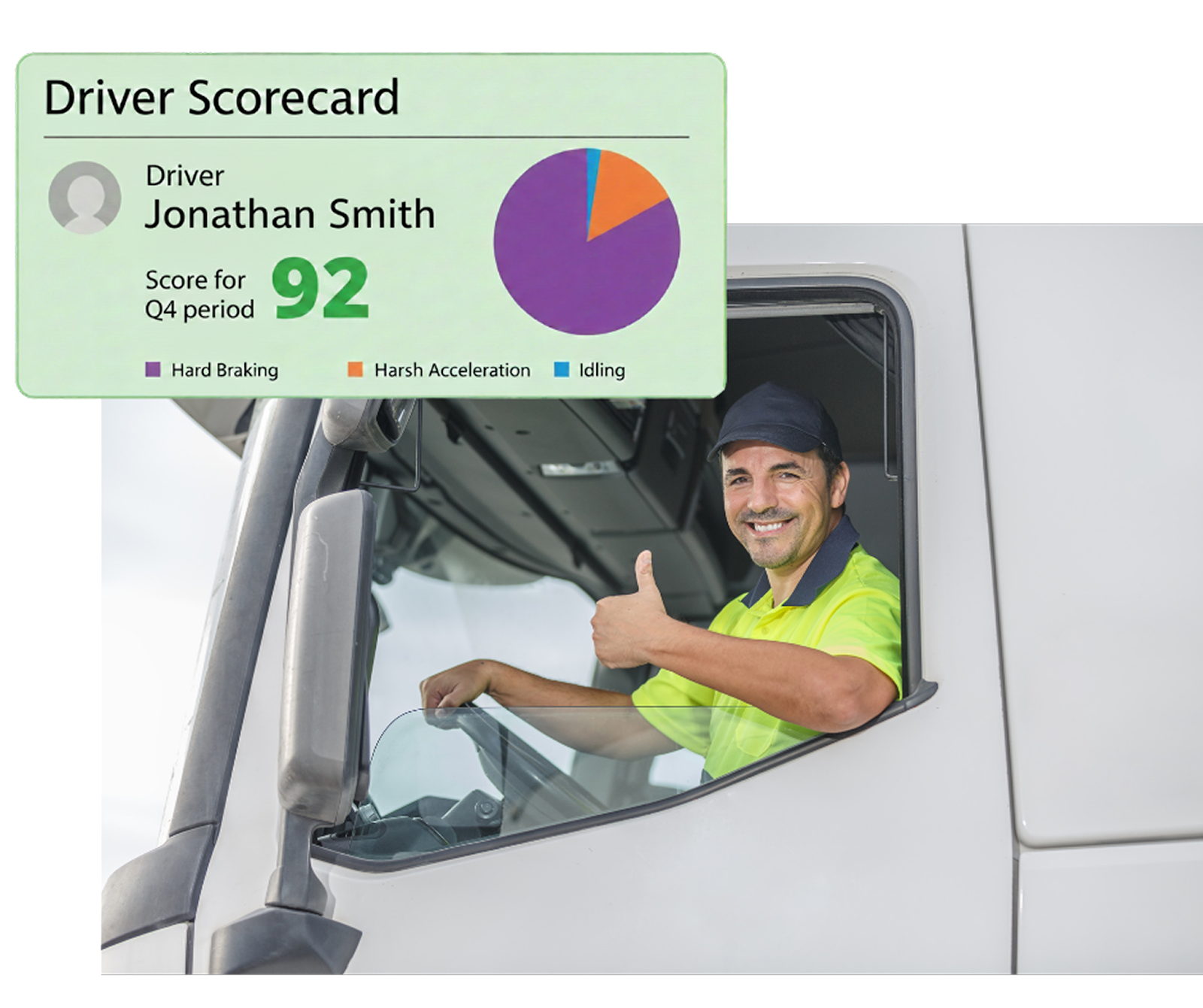
Telematics enables a shift from one-size-fits-all driver training to highly personalized coaching programs. Every driver generates a rich stream of performance data, and modern fleet platforms often distill this into individual driver safety scores or profiles. Telematics platforms often provide driver scorecards that compile metrics like speeding, hard braking, and idling into an easy-to-understand safety score. By reviewing these scorecards, fleet managers can pinpoint each driver’s specific areas for improvement (for example, excessive speeding or abrupt braking) and coach accordingly. With continuous monitoring, managers can cluster drivers by behavior patterns and identify the root causes of unsafe habits. Perhaps one group of drivers tends to speed on long stretches of highway, while another group frequently brakes harshly in urban traffic. Recognizing these patterns means training and coaching can be tailored to actual needs rather than delivered as generic lectures.
Using telematics data, fleet managers can set up data-driven coaching plans for each individual. The system allows you to score or rank drivers on various safety metrics and track their progress over time. Managers can set custom benchmarks (for example, no more than X hard brakes per 100 miles) and then measure a driver’s performance against these goals. If a driver falls short, the next coaching session can focus on that exact behavior. If the driver improves, the data will reflect it, providing positive reinforcement. Driver scorecards and reports make this process transparent. Fleet owners have successfully used these scorecards to design training programs around specific areas needing improvement and to build reward/recognition programs for top-performing drivers. In other words, telematics allows truly behavior-specific trainingб whether it’s curbing a lead-foot driver’s speeding, encouraging smoother braking and acceleration, improving route adherence, or promoting fuel-efficient driving habits.
One of the biggest benefits of this personalized approach is that it engages drivers in their own improvement. Drivers are more likely to buy in when coaching references their own data, because the feedback is concrete rather than abstract. They can literally see their safety score trending upward or their number of alerts decreasing week by week, which builds motivation. Notably, fleets that implement targeted telematics coaching have seen real improvements.
Some effective approaches that logistics companies are using include:
One-on-one coaching.
Safety managers hold periodic one-on-one meetings with drivers to review their recent telematics reports. For example, a coach might review a driver’s weekly scorecard and video clips of critical events, then discuss specific improvements (such as approaching stops more gradually if hard-brake events are high). This personal touch, grounded in the driver’s own data, makes feedback constructive rather than confrontational.
Group workshops.
Common trends that appear across the fleet can be addressed in group training sessions. If many drivers are taking corners too fast, or if idling times exceed policy, a workshop can refresh everyone on best practices and show aggregate telematics data on those behaviors. Drivers often respond well when they see they’re not the only ones with a particular challenge, and group discussion can surface solutions.
Gamification and recognition.
Many fleets are introducing friendly competition to incentivize safe driving. Leaderboards or score-based reward programs recognize drivers with the highest safety scores (or the greatest improvement) each month. Because this is based on hard metrics, it feels fair and objective.
Safer Routes and Real-Time Interventions
Improving driving behavior is one side of the coin; the other is controlling the environment in which drivers operate. Telematics data, especially when combined with GPS mapping and real-time traffic intel, helps fleet managers coach drivers on how to drive and also influence where and when they drive to maximize safety. For example, modern telematics platforms can analyze routes and highlight areas or times with higher risk, such as accident hotspots, severe weather zones, or heavy-congestion periods. With this knowledge, dispatchers can plan safer routes that avoid high-risk locations and times of day. If a delivery route is prone to frequent crashes or under construction, the system can suggest an alternative path. By using route optimization features, companies reduce unnecessary travel time; less time on the road means fewer opportunities for accidents.
Telematics also enables real-time interventions to prevent incidents. Geofencing is one tool in this arsenal: managers can set up virtual perimeters and safe zones on a map (for instance, around a high-crime area, a steep mountain pass, or simply the approved route a truck should stick to). If a vehicle deviates from its designated route or enters a restricted/high-risk zone, the system will instantly send an alert to both the driver and fleet manager. This immediate awareness allows for quick action, perhaps a call to the driver to check on an unexpected detour, or automated instructions routing them back to safer ground. Likewise, telematics units can issue real-time alerts for the driver’s behavior as it happens. Many advanced systems include in-cab feedback: if a driver is speeding, tailgating, or making erratic lane changes, an audible alert or a dash indicator can notify them in real time. Smart dashcam integrations take it further by using AI to detect hazards (such as following too closely or lane departures) and warn the driver instantly. This kind of in-the-moment coaching gives drivers a chance to self-correct before a bad habit leads to an accident. It’s like having a virtual co-pilot that never takes its eyes off the road or the driving style.
Fleet managers monitoring in real time can also step in when needed. If telematics shows a driver is exhibiting extremely unsafe behavior (for example, multiple over-speed alerts in a short period) or if a vehicle sends a distress signal (such as sudden deceleration that could indicate a crash), the management team can respond immediately. They might contact the driver to provide guidance, dispatch roadside assistance, or even pull the driver off the road if necessary. Real-time location tracking, combined with driver behavior data, gives dispatchers a live view of risk so they can proactively manage it. For instance, if a driver is caught in a severe storm or an accident-causing traffic jam, the system could flag the situation, and the dispatcher could reroute the driver to a safer area or adjust the schedule to prevent fatigue. By addressing hazards in real time, whether they stem from the driver or the surroundings, fleets can dramatically reduce the likelihood that incidents will escalate. The key point is that understanding driver behavior alone isn’t enough if drivers are still being exposed to hazardous conditions. Telematics allows logistics companies to connect the dots by coaching drivers on safe habits and guiding them through safer routes and real-time adjustments. This holistic approach creates a safer overall operating environment, weaving safety into every moment of the journey.
Conclusion
Telematics data has transformed driver safety into a proactive cycle of continuous improvement. By converting driving events into data points, it shifts observations into actionable insights. Fleet managers can directly see road behavior and respond effectively, whether by coaching a driver, adjusting policies, or intervening to prevent danger.
Training programs are now more personalized, measurable, and responsive, promoting a safety culture where safety is integrated into daily operations rather than just a post-incident checkbox. Companies using telematics often report significant reductions in accidents and claims, along with lower fuel consumption and maintenance costs, due to improved driving.
Telematics can't replace the need for skilled drivers or sound judgment; it ensures that issues are addressed promptly and lessons are learned before adverse outcomes occur. By combining data, technology, and coaching, driver safety can become a proactive effort to ensure that every driver gets home safely and every delivery is incident-free. Safety should focus on prevention rather than reaction.
